Gaslighting or the Truth?

1 Peter 1:17-23
Easter 3, April 19, 2026
Holy Trinity Cathedral
“Gaslighting or the Truth?”
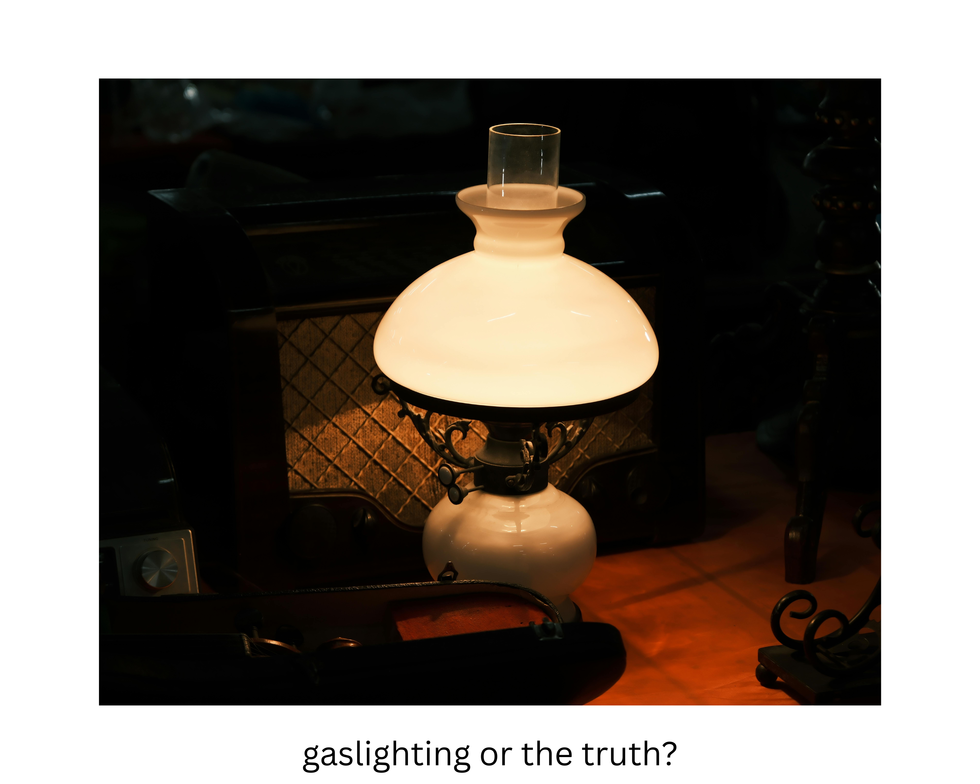
In the 1944 classic film “Gaslight”, a young woman is driven to the brink of insanity by her new husband. He periodically dims the lamps in their Victorian home, then denies it is happening. With deliberate actions, he begins to convince her that she is hearing imaginary noises, mislaying objects, and misremembering events. She is set up to doubt not only her memory but her grasp on reality. Her truth is replaced with his dominant narrative. This terrifying saga of lying to control another plays out in a very personal drama. It is also what is happening in our world. We are being gaslit. And we need to push back.
We live in strange times, in strange lands. Followers of Jesus Christ have always done so, right from the first generation of Christians. The writer of the First Letter of Peter addresses the early Church with these words: “If you invoke as Father the one who judges all people impartially according to their deeds, live in reverent fear during the time of your exile” (1 Peter 1:17). Even though most of the early disciples were Jewish, it didn’t matter that they had ancestors that stretched back to Abraham. The ruling authorities were judging them on their association with Jesus, the man they had sentenced to death as a blasphemer and terrorist. They preach that God only looks with favour on Jews who keep the righteousness laws of the Hebrew Scriptures according to the interpretation of the scribes. Anyone else is outside of the Chosen People and cannot possibly be loved by God. God is on their side alone, and so they are holy by right of birth and religion.
Of course, the Jewish authorities are not the only ones to claim that God is on their side. Nearly every nation in every conflict has done the same. With reference to holy words and tradition, a narrative is built up that tries to override any different understandings. The Roman Empire invoked the name of the Christian God in order to conquer and subdue territories and peoples. The Crusades were fought under the banner of Christianity. The colonial spread of Britain carried with it the message that their way was right and those in the receiving countries were wrong in their understanding. And in our present time, there are powerful secular authorities that dare to speak in the name of God and claim to know what God wants. There is a sense that if lie is piled upon lie and repeated enough times, then it will be the truth. Terrifyingly, it seems to be working.
Only this last week we have experienced the blasphemy of a world leader being portrayed in image as Jesus the divine healer, while the man himself tries to gaslight the Pope as weak and incompetent because he is calling for peace. Meanwhile, in an Orwellian moment, the U.S. Defence Secretary, who is responsible for what he has renamed the Department of War, seems to “pray” (and I intentionally put this in quotes) for the death of the enemies of America.
A war that is framed as being waged for the glory of God is the big lie. But this is the tale of two Peters. And Peter- the disciple of Jesus, the apostle, the writer of the New Testament letter- has truth to counter the double-speak. He proclaims:
Through him [that is, Jesus Christ] you have come to trust in God, who raised him from the dead and gave him glory, so that your faith and hope are set on God. 22 Now that you have purified your souls by your obedience to the truth so that you have genuine mutual love, love one another deeply from the heart. 23 You have been born anew, not of perishable but of imperishable seed, through the living and enduring word of God. The good news of Jesus Christ runs counter to any poison that arrogant individuals claim as truth.
Those who invoke the name of God to judge others fall under that same judgment for their own deeds. Our faith teaches that if we rely on works to receive approval, we fall always far short. In the past, God ransomed the Israelites from Egypt and led them out of slavery. It wasn’t because they were good, but because they were loved. In Jesus, God ransoms all people from the power of sin by the blood of the one who is the Lamb of God. Not just the righteous, but the unrighteous as well. Those who believe in God’s salvation know that it is grace, not works, that makes us holy and acceptable. Instead of assuming that God agrees with what we are up to, the writer of First Peter pleads that we lead reverent lives. Our obedience to God’s truth is our humble service. Holiness and right are not defined by humans, but by the living Word of God.
Belief in the risen Christ sets us apart from the world. That doesn’t mean withdrawing from the political sphere. Nor does it mean fighting others whom we have denied humanity. We are called to holy lives that continue to engage while maintaining our moral and spiritual centre. Do not doubt the reality of love! When we get bombarded by messages that demean and distort and sow hatred and fear, we who believe in the God of love must push back. Drawing on Scripture, and the goodness in our faith tradition, and our own experience of forgiveness in community, we have the means to withstand assaults on the truth. It takes courage to speak up when we encounter lies. And it takes tact and patience to dialogue with people who are operating from a place of fear and distrust. But the more we can bring Christ to our awareness, the more we will live the good news. Ask, “What would Jesus do? What would Jesus say?”
Remember that earthly authorities were challenged by the truth spoken by Jesus and the apostles. It’s nothing new that Christian leaders get accused of meddling in politics and not sticking to theology. What those outside the Christian faith fail to understand is that God created us as political and spiritual creatures. We are meant to question and learn and listen together with genuine and mutual love. Maybe those who challenge on the basis of scripture might take the time to read it first, to find the enduring word of God. For “all flesh is like grass, and all of its glory like the flower of the grass. The grass withers, and the flower fails, but the word of the Lord endures forever” (1 Peter 1:24-25, from Isaiah 40). A little humility and reverence for God’s glory does us all well. Amen.

About
-
Location