Getting to the Dirt

Matthew 13:1-9 & 18-23
Pentecost 6, July 12, 2026
Holy Trinity Cathedral
“Getting to the Dirt”
There was a warning for bath time: “Wash your ears or they’ll be enough dirt to grow potatoes.” I don’t know that I ever believed my mother, but I had enough imagination to pick up a washcloth and scrub. So when Jesus tells the crowd, “Let anyone with ears, listen!” to his parable about the sower, we do well to attend. Familiar stories in the Bible are told often for good reason: they help us to wonder and grow the Word within us. So let’s get to the dirt.
That’s an important part in Jesus’ story of the sower who goes out to sow the seed. The seed, as the writer of Matthew’s gospel has Jesus explain, is the Word of the kingdom. It’s good seed. But it’s where the seed lands that matters. In the dirt. And you are dirt. That’s not a slur but the stuff of creation. At the beginning of the Bible, God creates the heavens and the earth and all living things. In the genesis narrative, humanity is fashioned out of the clay and given the breath of life. The man and woman are told “you are dust and to dust you shall return” (Genesis 3:19). It is God who shares life with all the earth, and the beginning is good and fertile and receptive.
So how does it go wrong? That same dirt is ground for free will. Parts of us can get hardened, become shallow, or be overrun by weeds of worry and want. We can accept or reject the Word of truth. When Jesus comes to proclaim the good news of repentance, forgiveness, and new life, some people believed and followed. But not all his listeners actually heard what he was saying. Not even the Jews, the chosen ones who had been given so much guidance with the Law and the prophets. Maybe they had potatoes in their ears. Jesus tells them a story to remind them of their ‘earthiness’. He teaches about how the human heart is the ground for faith to be sown.
Like the Hebrew, the word Jesus uses in Greek for soil means the stuff of creation. By extension, gé encompasses a country, the land, the world. The arena we live in of space and time is the soil of our lives. Gé is used for Israel: the land and people that were meant by the Creator to be good soil for all. But not all soil is good soil, as we find out in the parable.
First, some of that good seed lands on the path. This is not because the sower is stupid, but broadcasting seed gives it every opportunity to find a nook to take hold and grow. If you have ever seen a flower or grain emerge from a crack in the sidewalk, you know it’s possible. Most of the seed scattered on the road, however, doesn’t sprout. When the soil has been beaten down by many feet who don’t care to look down and see, the best that might happen is for creatures to come and snatch it away. At least the birds get the benefit.
Other seeds fall on rocky ground. There is no depth to retain water or nutrients. No sustaining power to bring the word to maturity even if there is an initial appeal. This is hearing without listening; liking without commitment. Jesus recognizes that some in the crowd may be drawn to his person or his miracles but hesitate at the cost of God’s way of love and sacrifice.
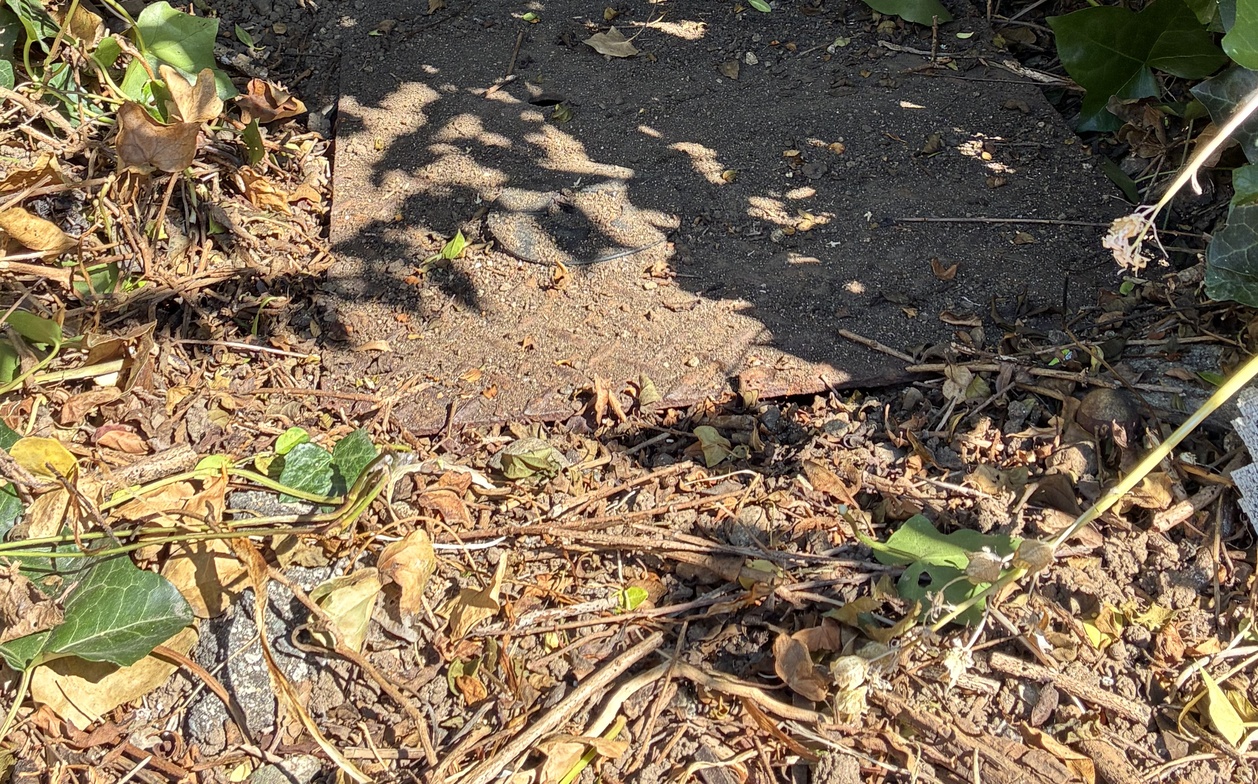
Many of us resonate with the seeds sown among the thorns. There’s good soil down there somewhere, but it is choked by the weeds in our lives. Their roots run deep, and even when we try to clear them away they keep coming back. It reminds me of the unholy three weeds of the Holy Trinity Cathedral grounds. Gardeners here know and hate convolvulus, ivy, and blackberry. These are invasive plants; they are not native to BC. Once introduced, they crowd out what we try to grow. Just so, the seeds of sin are deep-rooted within us. The Church even named seven of them as deadly: pride, envy, wrath, gluttony, lust, sloth, and greed. We often don’t think of them by those traditional terms. But we know their effects in our daily struggles. Trying to stay clear of them takes willpower and help. The cares of the world will try to drag us away from our primary identity. We were created to be good soil, to receive good seeds and grow them.
Community gardens are a wonderful way to grow green things when you don’t have a backyard or a balcony. If you have ever wandered through one, isn’t it interesting to see the variety of plants that people with which people fill their allotments? Out of a designated space, tomatoes or hollyhocks, carrots or raspberries burst forth according to the skill and dedication of the gardener. Some produce 30x, some 60x, some 100x! And then there are the few that look like someone has forgotten to water!
Why, I wonder, do some seeds grow and not others? Every year I plant a vegetable garden, and every year different plants seem to do well, and not others. So I try a variety in the hopes of a harvest. There are steps to take to maximize possibilities.
- Start by receiving what we know is good seed, from a reputable source. For gardeners, maybe a local producer. For Christians, the Word of God in Jesus our Lord. It’s not enough to have head knowledge, but to let him into our life.
- Prepare our soil as best we can. Amend if it is getting tired, whether that is with manure or prayer and reflection.
- Plant generously. Sometimes we are risking the weather or a response, but we won’t know unless we try.
- Tend with care. A plant won’t grow without watering and weeding. We won’t grow without discipline and guidance. What feeds our souls will help both ourselves and others.
- Discourage pests. Farmers protect their crops, and we need to pay attention to boundaries and things that weaken or steal away the fruits that might be produced. Recognizing weeds comes with experience. Pulling them out takes courage. Keeping them from growing back is a life-long task.
There is a humility in accepting that we are dirt, along with responsibility for doing our part in helping produce a harvest. The good news is that the Sower of our souls is extravagantly generous in persistence. God will keep at it. Not just in Adam and Eve, not just in the chosen people of Israel, but across the whole earth. Seeds of mercy and seeds of justice grow in the most unlikely corners of our hearts and of humanity. From even one small seed, one ordinary person, the harvest can be one hundred-fold! Out of that vast crowd of people listening to Jesus, at least twelve of them had ears to listen and followed him as disciples. And they seeded the Church that continues to this day. In the gardens of our hearts, may we get down and get dirty. Amen.

About
-
Location