The Importance of Thank You

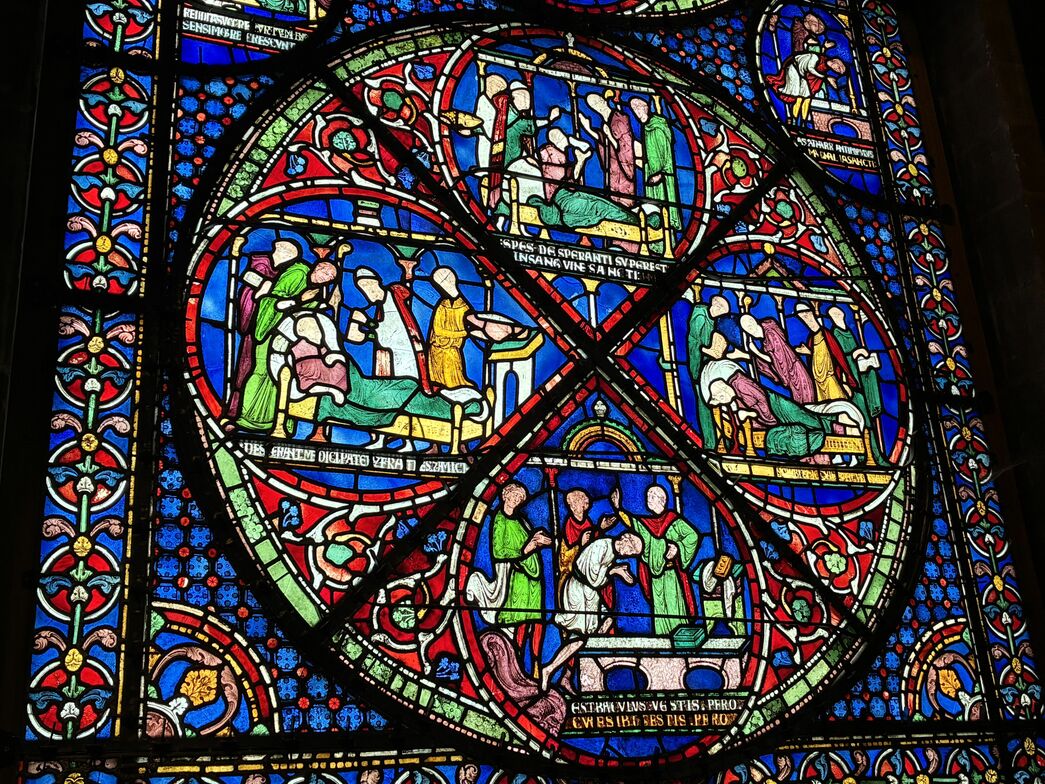
Luke 17:11-19 2026
Thanksgiving, October 11, 2026
Holy Trinity Cathedral
“The Importance of Thank You”
They want to come near him, but not too near. Those close to Jesus might drive them away, like the mangy stray dogs that follow them out of the last village. But it’s not like they’ve got anywhere else to be. This stretch of road on the way to Jerusalem between Samaria and Galilee is isolated territory, an “in between” zone for those who don’t have a place in civilized society. The only company they have found is each other- banded together by disease and rejection rather than choice. They don’t even like each other much, but one of them suggested taking a chance and the others come along to see what will happen. So together they cry out, “Jesus, Master, have mercy on us!”
They are lepers. Maybe not in the medical sense that we modern folk understand it but cast out and feared all the same because they are outwardly marked. Others see and judge something is not well with them. That has been reinforced by the rules of the authorities. They are to keep apart and not come into contact with normal people, at least until the ones who have the power say that they are rehabilitated and have rights and privileges in human society. Many skin afflictions came under the general term of “leprous”, whether they were truly infectious or not. We think we are better than that. But today, too, people with disabilities or differences are still distrusted and avoided. Scary-looking tattoos: maybe a gang associate? Or scarring down the arms- an addict? Or pink hair and piercings- yikes! Someone with a non-heterosexual orientation? We read the look and make assumptions about who that person is inside, whether they were born that way or did something sinful, and whether we are in danger of being contaminated. If they are not like us, our anxiety increases.
There are no disciples mentioned in this gospel story from Luke chapter 17. Jesus meets the ten lepers on the road. Maybe they are witnesses: learning to embrace and heal in order to go out and do the same. Maybe they are taking a step back and staying out of danger. Somebody remembered the encounter and wrote it down. The action is between Jesus and the lepers asking for his mercy. They may or may not have deserved what happened to them but they want to be different. They want to be cured. Jesus meets them and responds, “Go show yourself to the priests”. He doesn’t heal them on the spot or pronounce forgiveness. He gives them a simple task. All ten are obedient, and as they go, they are made clean. All ten. The only thing that the Levitical priest has to do is pronounce them ritually restored. Their lives of social isolation and shame are over and they are restored in community. Off they go to get on with their lives like good Jews.
All except one. That individual recognizes the miracle and turns back, praising God. He doesn’t wait to get the authorities’ approval of his recovery. He returns to the source of his healing. He raises his voice in thanksgiving to Jesus. And the punchline is: he is a Samaritan. The good Jews didn’t stop to give thanks; they just followed through with the ritual protocol. It is the foreigner, the not-as-good-as-the-Chosen-People guy, who realizes what is going on here. God’s healing power comes through Jesus. God’s face shines in him. In thanking Jesus, he is thanking God.
Each of the ten lepers is cleansed. But something more happens to the one who says, “thank you”. “Get up and go on your way,” Jesus responds, “your faith has made you well.” Well means more than cleansed. Not only is this Samaritan physically cured of his skin affliction. Not only is he able to rejoin his family and friends in loving community. He is made well, that is, he is saved. He doesn’t need some priest confirming that his skin is socially acceptable. (That’s a good thing, since he probably would be turned away by a Jewish priest, anyway). It’s not the ritual that is important, but what is happening inside, in the human heart. His attitude of gratitude makes it possible for God’s mercy to shine on him.
We don’t know what happens to the other nine former lepers. Did they come to an understanding of how God worked healing in their lives. Do they become better people as a result, with grateful and generous hearts and compassion for others around them. Do they learn to say, “thank you”? It takes practice to cultivate a humble and appreciative stance. That’s why we start early with our children. Please is an important word to learn. Thank you doubly so. Most of all, this story reminds us of to whom our thanks ought to be addressed. Rather than a general reflection in this season of harvest for the good things in our lives, we return here today to give thanks to God. For the mercy that heals us within and holds us in love forever.
We give thanks to Christ in this service. In the eucharist, which literally means “thanksgiving”, we turn back to the centre of all that is good. We bring up our offerings of money and donations to feed the hungry and all that is in our hearts. In doing so, we are saying, “Thank you. This is how much we love you.” Then Christ stands at host at the altar, with his hands outstretched as on the cross, and his body and blood contained in the bread and the wine, and he says, “And this is how much I love you.”
At the end of our gathering, we go our way with the assurance that our faith has made us well. May the very old blessing that goes back to the days of the first priest Aaron travel with you:
The Lord bless you and keep you.
The Lord make his face to shine upon you and be gracious unto you.
The Lord lift up the light of his countenance upon you and give you peace.
Amen.

About
-
Location