Mercy is a Superpower

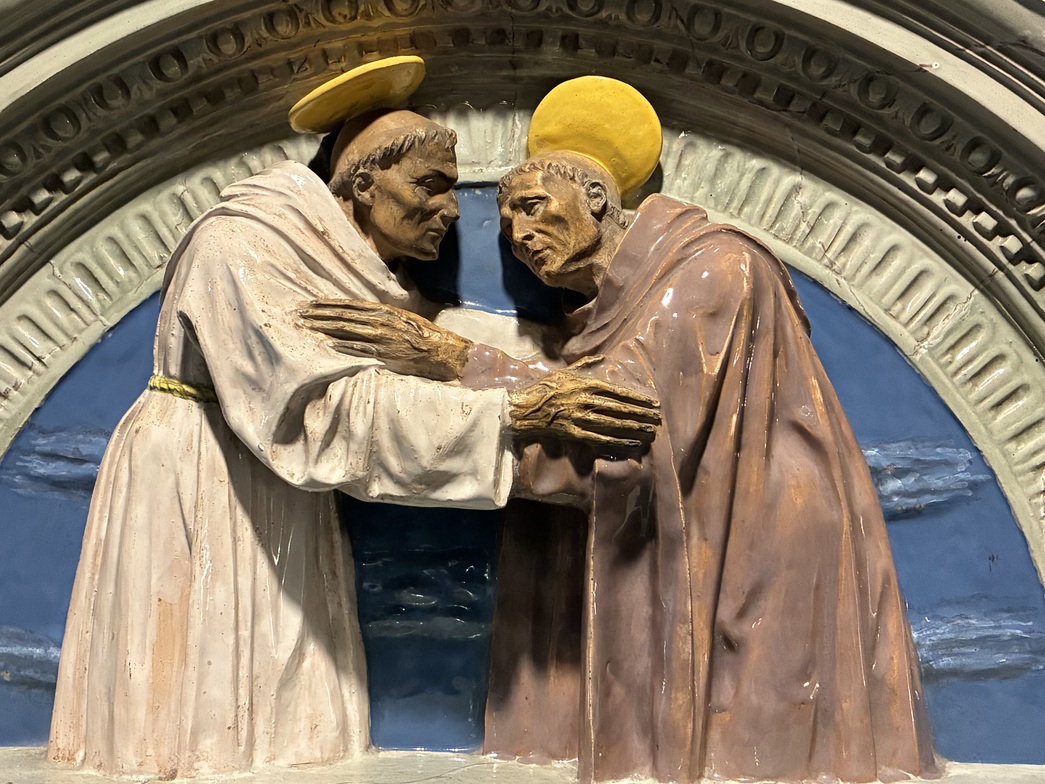
Romans 11:1-2a & 29-32
Pentecost 12/Pride Sunday, August 16, 2026
Holy Trinity Cathedral
“Mercy is a Superpower”
If you could choose a superpower, what would it be? Great strength, like Superman? Cool tech, like Ironman? The ability to fly, or swim underwater, or control fire or lightning or wind? Those all could come in pretty handy. But there are less flashy gifts that are equally powerful. Today we learn about one that can save lives and miraculously heal. It’s called mercy. Yes, mercy is a superpower.
It appears in two very different stories from the Bible. First, there is the encounter of Joseph reconciling with his brothers in Egypt (Genesis 45). And then Matthew’s account of Jesus’ encounter with a Canaanite woman (Matthew 15:21-28). In between, we get some words written by St. Paul as he puzzles out what it means to believe in a God who shows mercy to all.
For ordinary people, this is difficult stuff. We want justice to be done. Why should we forgive when we have been, and are continuing to be, hurt? Mercy is not the same as grace. Grace is when people receive something good that they do not deserve and have not earned. Mercy is when someone does not receive the punishment that is just. Instead, that person is forgiven by another who has power to do so. They are let go; set free. That’s great when it happens to me. It feels unfair when it happens to somebody else. Mercy doesn’t depend on worthiness. It doesn’t wait for an apology. It acts when there is need, and an openness to healing. And both those who give and receive it are blessed. This power exchanged makes them both stronger.
For any of you who haven’t yet followed the whole saga of Joseph and his technicoloured dream-coat, we are nearing the climax of the tale. There’s been a whole lot of hurt amongst the sons of Israel. The despised and resented favourite child has been sold by his brothers, enslaved in Egypt, risen in the Pharoah’s favour by his forecasting to be the chief trade official, and now controls the storehouses of the country during years of famine. When his siblings are sent to Egypt to barter for grain, Joseph has power to condemn or help them. After being a bit of a jerk, somewhat understandably, he has a change of heart. He realizes that in making meaning of what has happened to his life, he can now forgive their part in the story. He is the stronger for refusing to condemn them for what they have done.
In the gospel story, there is another aspect of mercy being worked out. At the beginning, it is an outsider approaching Jesus to ask for healing for her daughter. “Have mercy on me, Lord” she cries. But the deep learning is not so much between her and Jesus as it is between Jesus and his disciples. Do they know what mercy looks like? He does not answer her immediately, but waits to see what his followers will say. They are annoyed at her interruption into their teaching time. “Send her away, for she keeps shouting after us”, they complain. Who Jesus addresses next isn’t clear. He comments, “I was sent only to the lost sheep of the house of Israel”. Is this directed to the woman, or the disciples that are nodding their heads in agreement. She, on the other hand, asks again humbly, “Lord, help me.” The testing question of who gets the food from the table is answered skillfully. Jesus commends her! “Woman, great is your faith! Let it be done for you as you wish.” Guess whose faith is not great at this point? Those other disciples, who were waiting for him to dispense justice to the Gentile and get back to his task to save Israel. They haven’t yet learned what mercy means. To do justice is to love kindness and to walk humbly with God. Christ’s power to save heals and strengthens those who are ready to receive mercy. Even if they are beyond the original covenant people.
Ever since the early Church there have been arguments about who will be saved and who will not. Who is righteous and who is not. Who is deserving and who is not. St. Paul chimes in to remind us that we humans can’t sit in judgment. We are not the arbiters of God’s love. Jews fell short of the covenant, but God didn’t give up on them. Those from outside of the chosen people didn’t deserve to be included, yet God extends mercy to them too. Nobody is better than anyone else. God has a way forward for all of us. This is a great disappointment, of course, to those who think that God should operate strictly according to holy justice. But they, like the disciples in the gospel, are rather missing the point. Love is guided by mercy.
The Church has been quick to condemn those who it deems unrighteous. Thankfully, it has been challenged and corrected time and time again. We are human; we struggle to love God, our neighbour, and ourselves. In weaker moments, we fall into judgment: thinking that some are more deserving than others. But at their best, people lean into mercy. Through it, we are strengthened in faith. May we learn to love more fully. May we learn mercy. Amen.

About
-
Location